
What to Expect from Hypnotherapy
Starting hypnotherapy can feel like a big step, especially if you are unsure what will happen, whether it will feel right for you, or whether you will remain in control during hypnosis.
This page explains what to expect from hypnotherapy sessions at my Manchester city centre practice, including how the consultation works, what happens in sessions, how hypnosis is used, and how the work is tailored to your goals.
The Initial Consultation
The first step is a free consultation of up to 60 minutes, held online or at my Manchester city centre office. Many people arrive feeling unsure how to explain what is wrong. You do not need to prepare a perfect account before getting in touch. Part of my role is to ask clear questions, listen carefully, and help us develop a useful overview of what is happening.
If there are several things going on at once, we will take our time to understand how they fit together. The aim is not to rush you into a neat label, but to make sense of the difficulty in a way that is useful for therapy.
My approach is practical, collaborative, and focused on meaningful change. The work is not just about being “put into hypnosis”, and it is not simply talking about feelings without direction. We work together to understand how the problem operates, what may be keeping it going, and what you would like to be different in real life. Hypnosis can then be used as part of that wider process.
During the consultation, I will usually ask about:
- the problem you want help with and when it started
- what tends to trigger or intensify it
- how it currently affects your life
- what you have already tried
- what you would like to change
- any relevant background or health information
The goal of the consultation is to understand what is happening and whether hypnotherapy is likely to be a suitable approach. It is also your chance to ask questions and get a feel for how I work.
There is no pressure to book further sessions. You are welcome to take time afterwards to decide whether you would like to go ahead.

CNHC registered · Senior member of the General Hypnotherapy Register · Practising hypnotherapy in Manchester since 2005 · Private office on Deansgate · Registered and insured to practise
Your First Session, Hypnosis and What Happens Next
If we decide to work together, sessions are active, collaborative, and structured around your goals. We usually spend time understanding how the difficulty operates, what tends to trigger it, and what would help you respond differently in real life.
Many people get caught in struggles with anxiety, self-doubt, urges, discomfort, or old habits. This is completely normal. My approach combines Ericksonian hypnotherapy with Acceptance and Commitment Therapy (ACT) and other practical, psychologically informed methods.
In brief, ACT helps you respond more flexibly to difficult thoughts, feelings, and urges while taking action towards what matters: noticing the patterns that keep you stuck, stepping back from unhelpful thoughts, making room for discomfort where needed, and taking realistic steps forward. You can read more on my Acceptance and Commitment Therapy in Manchester page.
Earlier sessions may focus on understanding the problem clearly, setting goals, working out what matters to you, and identifying what keeps the difficulty going. Later sessions may focus more on developing practical strategies, rehearsing new responses, testing those responses in everyday situations, and building resilience so progress can be maintained.
Sessions may include:
- understanding patterns and triggers
- working with thoughts, feelings, and body responses
- hypnosis and mental rehearsal
- practical strategies
- working out what matters to you
- identifying realistic next steps
- small between-session practices, where useful
The balance depends on the person and the issue. The aim is to make the work relevant, practical, and usable beyond the session itself.
How Hypnosis Is Used
Hypnosis is used as part of this wider therapeutic process. I use an Ericksonian style of hypnosis, which is collaborative, responsive, and tailored to the individual rather than based on a rigid script.
You remain aware and in control, but the focused, absorbed state of hypnosis can make it easier to settle an overactive threat response, rehearse different ways of responding, strengthen confidence, and approach old difficulties from a more resourceful position.
ACT helps guide the direction of the work: less struggle with inner experiences and more movement towards what matters. Hypnosis can support this by helping you rehearse new responses in a focused, absorbed way.
For a fuller explanation of hypnosis itself, including questions about control, awareness, and whether everyone can be hypnotised, see my Hypnotherapy FAQs page.
Will I Be in Control During Hypnosis?
Yes. You remain in control during hypnosis.
Hypnosis is not sleep, unconsciousness, or mind control. You do not lose your will, and you are not made to do things against your values or judgement. In my work, hypnosis is used collaboratively as a focused state in which we can rehearse new responses, settle the nervous system, and support therapeutic change.
You can speak, move, ask questions, open your eyes, or stop at any point.
Is Hypnotherapy Safe?
Hypnotherapy is generally a safe, collaborative process when used appropriately by a trained practitioner. It should be tailored to the person, explained clearly, and used within sensible professional boundaries.
Hypnotherapy is not a substitute for urgent medical or mental health care. If your symptoms are severe, sudden, medically unexplained, or you are unsure what kind of help you need, it is sensible to speak with your GP or another appropriate healthcare professional.
If you feel at risk or need urgent support, please use the appropriate NHS or emergency services.
We can still discuss whether hypnotherapy may be a useful part of your wider support, but safety and appropriate care come first.
What Kind of Issues Do You Help With?
I use this approach with issues such as anxiety, panic, confidence, phobias, fear of flying, smoking, procrastination, nail biting, hair pulling and skin picking, as well as other patterns that can become self-reinforcing over time.
You can explore these in more detail through the individual service pages, or we can discuss whether your issue seems suitable during the consultation.
What to Expect When We Begin
You do not need to arrive feeling confident, articulate, or certain of exactly what is wrong. It is completely normal to feel unsure at the start, and you will always be treated with respect and understanding.
Part of my role is to help us make sense of the pattern together.
A Simple Example of How the Work May Unfold
Someone might come for help with social anxiety. On the surface, they may describe the problem as, “I get nervous around people.”
When we look more closely, we may find several parts keeping the pattern going: harsh self-talk, fear of judgement, physical anxiety symptoms such as blushing or shakiness, memories of past embarrassment or criticism, and constant checking of how they are coming across.
Over time, this can lead to low confidence and increasing avoidance of social situations. The person may know, rationally, that they are not in danger, but still find themselves feeling exposed, self-conscious, or unable to relax around others.
The work would then address the pattern from several angles. Rather than simply trying to force the anxiety away, we might look at how the person relates to anxious thoughts, how the body responds to perceived judgement, and how avoidance has been keeping the problem going.
We might practise noticing the thought “I’m being judged” as a thought, making room for some physical anxiety, and taking attention back to the conversation or situation in front of them.
Hypnosis may be used to help the person experience a steadier internal response, rehearse social situations differently, and begin approaching old triggers from a more grounded position. We would also look at what kind of social life the person wants to move towards, so the work is not only about reducing anxiety, but about helping them act more freely and confidently in the situations that matter to them.
This is why I do not use a one-size-fits-all script. The work needs to fit the person.
Between Sessions
Therapy is most useful when it becomes something we do together. What helps is a willingness to engage with the process: to reflect honestly, try new ways of responding, and, where appropriate, bring small pieces of the work into everyday life.
Depending on the issue, I may suggest brief reflections, simple practices, or specific actions to try between sessions. These are not set as homework for its own sake. They are used where they can help translate insight and in-session change into everyday life.
Why Work with Me?
I’m Adrian Tannock, a CNHC-registered hypnotherapist based in Manchester city centre. I have practised since 2005 and work with anxiety, panic, confidence, phobias, smoking, habits, procrastination, and related patterns.
My aim is to offer therapy that feels calm, respectful, and clear, while remaining purposeful and connected to the changes you want to make in everyday life. I want clients to understand what we are doing, why we are doing it, and how it relates to the wider pattern they are trying to change.
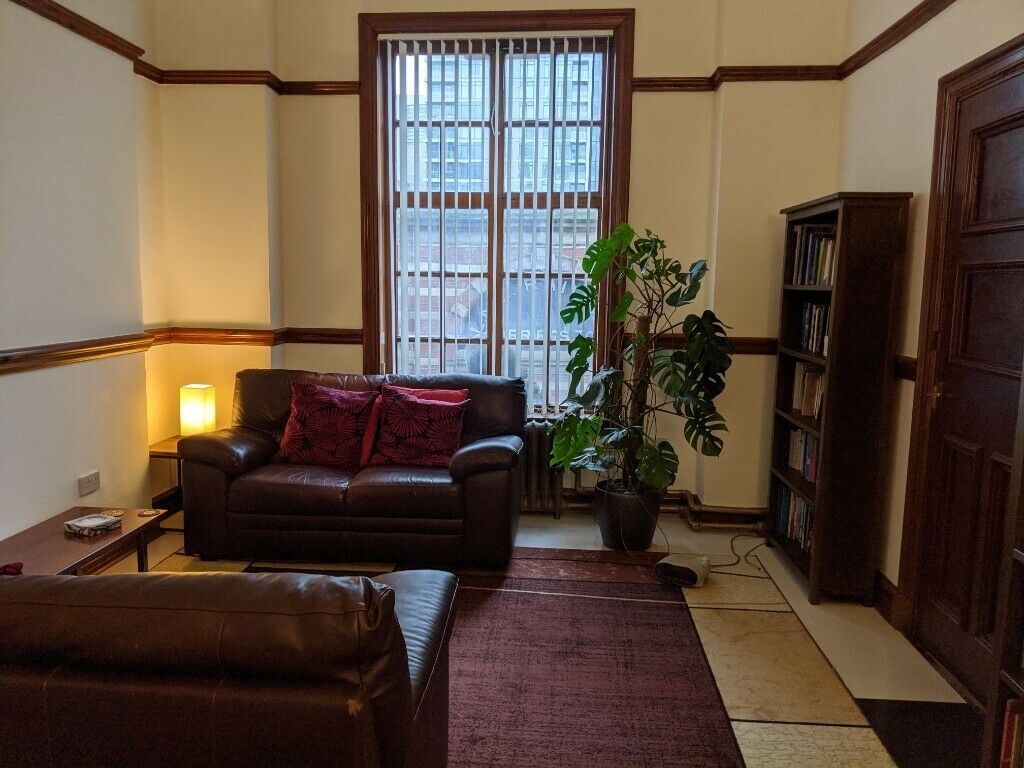
My Office
My private office is at 244 Deansgate, Manchester, M3 4BQ.
Contact me
Please use this form for general enquiries. I will use the details you provide to respond to your enquiry in line with my Privacy Policy. This form is not monitored for urgent or crisis support. If you are in immediate danger, call 999 or go to A&E.
Arrange a Consultation
If you are considering hypnotherapy, you are welcome to get in touch and arrange your free 60-minute consultation, held online or at my private Manchester city centre office on Deansgate.
We can talk through what is happening, what you want to change, and whether hypnotherapy is likely to suit you, with no pressure to decide on the spot. Sessions themselves can also be held online or in person.
To take the next step, use the enquiry form or call me on 07790 506375.